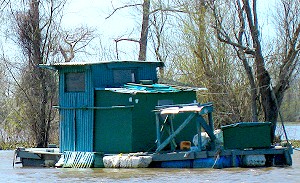
In Louisiana, the area south of I- 10 and west of New Orleans is a “whole ‘nudder t’ing.
Over the years we’ve made periodic pilgrimages and would be hard-pressed to come up with a part of this great country that we are more fond of.
Through hardship and isolation, a society singular to this region has developed with its own food, music and unique language. We love spending time in amongst it all.
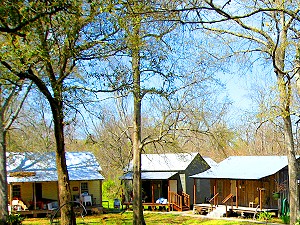
The main factor in the formation of this distinictive culture came from the Acadians — French colonists who were run out of Canada during the The Seven Years’ War in Europe.
As the hostilities spilled over into North America, the British subjects of Nova Scotia decided that the French settlers were no longer welcome.
In what became known as TheGreat Upheaval or Le Grand Dérangement, these French people were sent off under horrific conditions.
Through the 1750s they were crowded into boats and shipped off to the American colonies, back to Europe, down to Haiti or as far away as the Falkland Islands. Each arrival meant more disappointment as they were either rejected or allowed to remain as indentured servants or slaves.
By the 1760s many Acadians found refuge in the Louisiana Territory — but not until about half of them had died in the Upheaval.
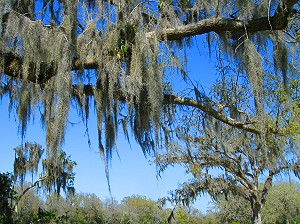
The swampy coastal area of Louisiana was almost uninhabited back then, home only to a few clans of the Attakapas Tribe known for their nasty propensity to eat their enemies.
The tough, wayward refugees settled into this perilous landscape. Carving out an existence meant embracing the water as a partner — the swamps, rivers, bayous and sea are intertwined into daily life in Acadiana.
The name Acadian was soon commonly pronounced “Cajun” and a unique culture was born.
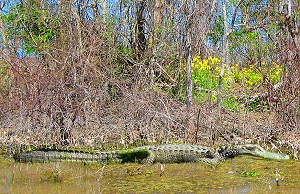 During our previous visits we hadn’t had the chance to wade out into these waters but this time we were going in. Not literally of course, since we didn’t want to be an alligator appetizer, we figured we’d use a boat.
Without a doubt that is the best way to get truly aquainted with the swamps that run through the heart of Cajun country. New Orleans Kayak Swamp Tours was just the place to start our wetland romp.
Within minutes we were deep enough into the swamp to be completely secluded from any signs of modern life. Winding through the tunnels of heavily hanging Spanish moss, Ernest pointed out the flora and fauna along the way: eagles, osprey, egrets, beaver, gators, turtles, ducks, blue heron, comerant, cyprus, mangroves, willows and on this spring day, all sorts of wild flowers.
One critter we’d never seen before was sighted frequently along the bayous. Giant rodents called nutria were hanging out side by each with the beavers on the logs and dry patches. We’d always figured that the R.O.U.S. (Rodents Of Unusual Size) featured in the movie “The Princess Bride” were make believe, but they are real and they are thick back in them there marshes.
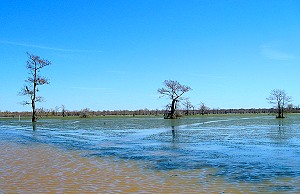
The Atchafalaya Swamp is a combination of wetlands and river delta where the Atchafalaya River meets the Gulf of Mexico.
A thousand years ago the Mississippi River flowed through the Atchafalaya as its channel naturally moved about the delta.
Periodic flooding was lifeblood to this ecosystem, bringing much needed silt and sediment for the plant life in addition to replenishing the water. After the great flood of 1927, Old Muddy’s course was permanently set behind man-made levees and the Atchafalaya began
to suffer.
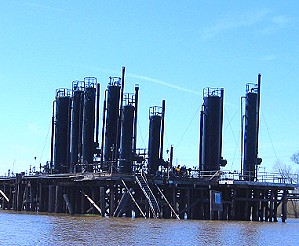
When the oil industry arrived in the 1930s, the economy got a needed
boost but scars were left in the process. Canals for transporting equipment and products were dug throughout the basin, causing massive erosion and further weakening the wetlands.
Once finished with their business, the remnants were simply left behind as the drilling moved offshore into deeper and deeper water.
As harsh and hostile as swamps may look, they are easily harmed and slow to recover. Recently some progress toward saving the marshes has been made through controlled flooding and conservation efforts but the efforts must remain constant for this delicate ecosystem to thrive.
David & Veronica, GypsyNester.com
This post may contain sponsored links.
Welcome to de swamp! I did a swamp tour in Louisiana many years ago and enjoyed it a lot, but I didn’t know about the damage the oil industry had done. I did, however, witness the refineries pushing right up against the great old estate houses on River Road. It seems like wherever the oil industry goes, there’s destruction …
Thank you for this peek into the region I have always longed to visit, and the informative history. Perhaps I long for it because I am of French Canadian blood – though my ancestors apparently weren't there yet when the Great Upheaval occurred, or somehow managed to stay put until their move to the US in the mid 1800's.
As for the oil spill – I grieve for Mother Earth and the chaos this is going to cause. I don't like to buy into the whole 2012 end of times things, but it's scary to think . . . this could be the start. Too many people don't realize that the extinction of species and ecosystems has far reaching and deadly effects on our very existence.
Tant to see a picture of the ROUS!
Being from Florida & now living in RI I love the article about LA. Not to protect the area & the people would be a crying shame. I've often said Baton Rouge is the best smelling town in the USA around dinner time. As for Emptynesting…today, my son graduates high school. What a relief after yrs of single parenting to know he "made it". He wants to move out when he goes to the local college. I know they come back but like you, I see no problem with jumping for joy at my newfound "freedom". Rebecca